The Importance of Your Local Butchers Shop
The importance of local butchers shop is easy to overlook when a supermarket sits on every high street. However, your local butcher connects you to fresher, better-sourced meat, gives you access to real expertise, and puts money back into your neighbourhood. Choosing where you buy your chicken or lamb shapes what ends up on your family's plate — and what kind of food culture your community supports.

What Is a Butcher Shop — and Why Does It Matter?
A butcher shop is a specialist food retailer where trained professionals select, prepare, and sell meat cuts to order. Unlike a supermarket, where meat arrives pre-packed and often pre-trimmed by a central processing facility, an independent butcher handles the product from delivery to display. Because they manage the product themselves, they can usually tell you exactly where it came from.
That transparency matters. When you ask your butcher where the lamb shoulders are sourced, you get a real answer. That kind of accountability is rare in modern food retail, and it is one of the core reasons the local butcher shop remains essential. For a deeper look at the trade's roots, read our history of butchery and butchers in North London.
Are Local Butchers Better Than Supermarkets?
For most families, yes — and in several measurable ways. Local butchers typically receive smaller, more frequent deliveries, so the meat on display is fresher. They also cut to order, which means you can ask for a thicker lamb chop, a smaller chicken portion, or a specific weight of mince without compromise.
Furthermore, the expertise gap is significant. A trained butcher can advise you on the right cut for slow cooking versus grilling, suggest a marinade, or explain why one shoulder works better for a particular recipe. That conversation simply does not happen at a supermarket checkout. If you are searching for a butcher near you, knowing what to expect from a quality shop helps you make a confident choice.
Custom orders are another clear advantage. Need a whole lamb broken down into specific portions for a family gathering? A local butcher can do that. Supermarkets cannot.

Are Local Butchers More Ethical?
In most cases, the supply chain behind an independent butcher is considerably shorter than that of a supermarket. Shorter chains mean fewer handling stages, which reduces the risk of mislabelling and makes it easier to check the sourcing at the farm level.
Because independent butchers tend to work with fewer suppliers, you can ask directly about how the animals were raised and what standards the farm follows. Under UK food law, meat establishments must meet regulated welfare and hygiene requirements, giving consumers a baseline of protection — and giving you a useful starting point for the questions you ask your butcher.
For families seeking halal meat specifically, a specialist halal butcher near you provides an additional layer of assurance. The halal certification process requires traceability from farm to counter, which aligns closely with ethical sourcing principles. Our guide on why families in North London choose a halal butcher covers this in more detail.
What Are the Benefits of Buying Local Meat?
Buying meat from a local butcher delivers practical benefits that compound over time. Therefore, it is worth considering these advantages before defaulting to a supermarket trolley.
- Better flavour and texture. Meat handled fewer times and stored correctly retains more natural juices and flavour. This is especially noticeable with cuts like lamb chops, where quality shows immediately in the pan.
- Fewer food miles. Locally sourced meat travels less distance from farm to counter, which reduces the carbon footprint of your weekly shop.
- Full traceability. You can ask your butcher directly about the breed, the farm, and the feed. Supermarket packaging rarely provides that level of detail.
- Less packaging waste. Butchers typically wrap cuts in paper rather than sealed plastic trays, which is better for the environment.
If you want to put those quality cuts to good use, our easy lamb chop recipes are a practical starting point for families looking to cook confidently at home.
How a Local Butchers Shop Works for Your Family
Walking into a quality butcher shop should feel straightforward. The butcher will show you what is available, explain the cuts, and prepare exactly what you need while you wait. You are not choosing between three pre-set pack sizes — instead, you get the weight and cut that suits your meal.
For families with specific dietary requirements, this flexibility is especially valuable. A halal butcher maintains certified sourcing practices, so you know the meat meets your standards without interrogating every label. Capital Butcher, based in Edmonton, serves North London families with precisely this in mind — see our family butcher in Edmonton page for more.
Butchers also help you cook better. Ask about the best way to prepare a meal with lamb chops and you will leave with more than just meat — you will have a method too. That practical knowledge keeps cooking skills alive in households that might otherwise rely on ready meals.
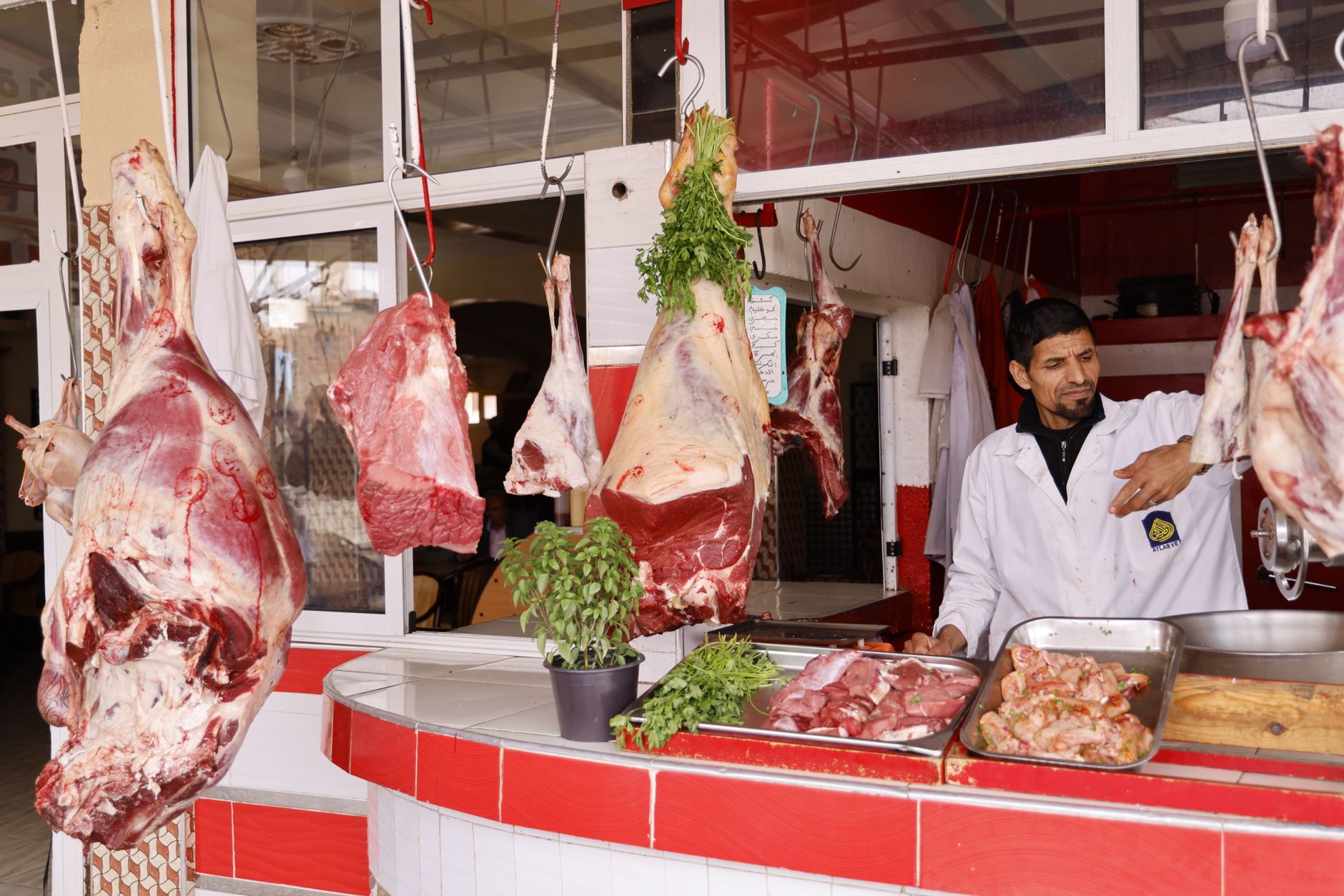
Supporting Your Local Butcher Strengthens the Community
Every pound you spend at an independent butcher circulates differently to money spent at a supermarket chain. Independent retailers tend to use local suppliers, local trades, and local services — so your purchase supports a wider network of businesses in your area.
Beyond economics, a good butcher anchors the high street. Neighbourhoods with active independent food shops tend to have stronger social connections, because people talk, ask questions, and share recommendations in ways that no online delivery service replicates. If you are ready to make your local butcher a regular part of your family's food routine, Capital Butcher is here to help — with expert cuts, halal-certified sourcing, and personal service that keeps families coming back.
Key Takeaways
- The importance of local butchers shop lies in fresher, more traceable meat and real expertise that supermarkets cannot match.
- Shorter supply chains make it easier to check sourcing and ask about animal welfare standards.
- Buying local meat reduces food miles, packaging waste, and your household's environmental footprint.
- A good butcher provides practical cooking advice that helps families cook better every week.
- Choosing an independent butcher supports skilled jobs, local farmers, and a more resilient high street.
Frequently asked questions
Are local butchers better?
For most shoppers, yes. Local butchers typically offer fresher meat with more frequent deliveries, cut to order for your exact needs, and provide genuine expertise about the product. The personal service and traceability you get at an independent butcher are difficult to replicate in a supermarket environment.
Are local butchers more ethical?
Generally, independent butchers operate with shorter supply chains and work with fewer suppliers, making it easier to ask about animal welfare and sourcing. UK meat establishments are also subject to regulated welfare and hygiene requirements, giving consumers a legal baseline of protection.
How to explain butcher shop?
A butcher shop is a specialist food retailer staffed by trained professionals who select, prepare, and sell meat cuts directly to customers. Unlike supermarkets, butchers cut meat to order, advise on preparation, and can usually tell you exactly where the product was sourced.
What are the benefits of local meat?
Local meat typically has better flavour and texture due to fewer handling stages, travels fewer food miles which lowers its carbon footprint, comes with fuller traceability, and is often available in specialist cuts that supermarkets do not routinely stock. It also tends to involve less plastic packaging.
What is the importance of local butchers shop for halal families?
For halal families, a local halal butcher provides certified sourcing traceability from farm to counter. This removes the need to scrutinise every supermarket label and gives direct access to cuts prepared to the required standard, along with personal advice on preparation.