Chicken Wings: What They Are, How to Cook Them, and the Secrets to Getting Them Crispy
Chicken wings are one of the most versatile, crowd-pleasing cuts you can cook. Whether you want sticky glazed party wings or a simple weeknight dinner, the method you use — and the quality of the wing you start with — makes all the difference. This guide covers everything: what a chicken wing actually is, the best cooking methods, how to get truly crispy results, and how to marinate them for maximum flavour.
What Are Chicken Wings?
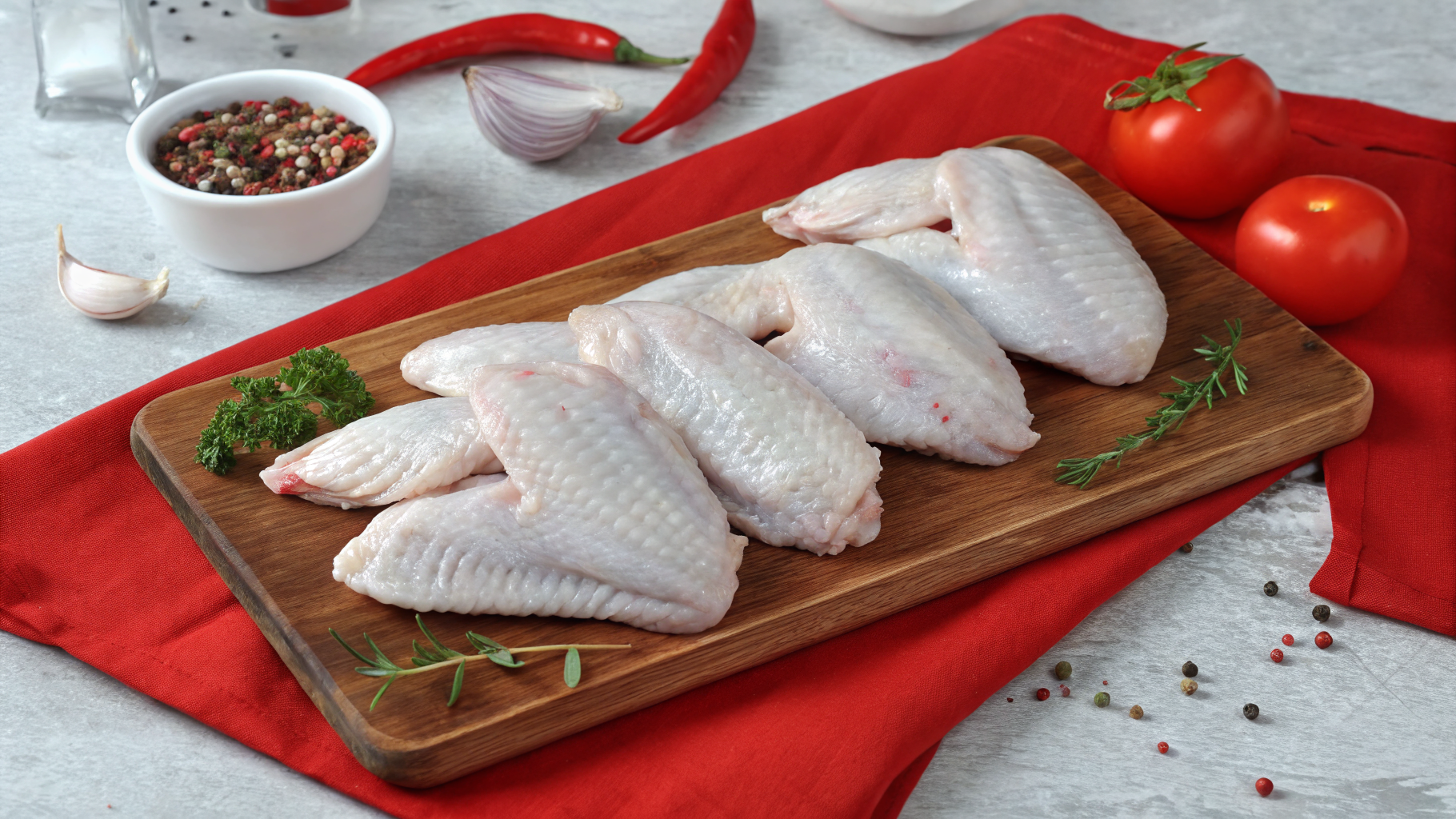
A chicken wing is the upper limb of the bird, separated from the breast at the shoulder joint. Each whole wing is made up of three sections: the drumette (the meaty upper portion that looks like a small drumstick), the flat (also called the wingette — the middle section with two thin bones and a thin layer of meat), and the tip (the small, pointed end with very little meat, often used for stock).
Most recipes call for either whole wings or wings that have already been split into drumettes and flats. Understanding this anatomy matters because the two sections cook slightly differently — flats render fat faster, while drumettes need a little longer to cook through.
When buying wings, the cut and freshness of the meat directly affect the end result. A good butcher will sell wings with the skin intact and properly trimmed, which is important for both flavour and texture.
The Best Cooking Methods for Chicken Wings
The best method for cooking chicken wings depends on what result you want — crispy skin, tender meat, or a specific flavour profile. Here are the three main approaches:
- Oven baking: The most reliable home method. Bake at a high temperature (around 220°C / 425°F) on a wire rack for 40–50 minutes, flipping halfway. This renders the fat under the skin and crisps it without deep frying.
- Deep frying: Produces the crispiest results fastest, but requires more oil and attention. Fry at around 175°C (350°F) for 10–12 minutes. The high heat seals the skin immediately.
- Air frying: A practical middle ground. Air fryers circulate hot air to mimic frying with far less oil. Cook at 200°C (390°F) for 20–25 minutes, shaking the basket halfway through.
A two-stage oven method — starting low at around 150°C for 30 minutes to render excess fat, then cranking to 220°C for the final 20 minutes — delivers excellent crispiness without any specialist equipment. For a detailed oven-method walkthrough, see our guide on how to get crispy chicken wings every time.

How to Get Very Crispy Chicken Wings
Crispy skin is the goal most cooks are chasing. The good news is that it comes down to a few simple steps — no deep fryer required.
- Pat the wings completely dry. Use kitchen paper to remove all surface moisture. Moisture is the enemy of crispiness — it steams the skin instead of crisping it.
- Use baking powder, not baking soda. Tossing wings in a small amount of aluminium-free baking powder (roughly 1 teaspoon per 500g of wings) raises the skin's pH, which promotes browning and crunch. This single step makes a significant difference.
- Use a wire rack. Placing wings on a rack set over a baking tray lifts them off the surface so hot air circulates underneath. Wings sitting in their own fat will steam on the bottom side.
- Cook at high heat for the final stage. The two-stage method mentioned above is ideal. The high finishing temperature is what creates that satisfying crunch.
- Rest briefly before saucing. If you're adding a wet sauce, toss the wings in it right after removing from the oven — then return them for 5 minutes to set the glaze. Adding sauce too early turns crispy skin soft.
For more insider techniques, read our full post: How to Buy, Prep and Cook Chicken Wings Like a Butcher.
How to Marinate Chicken Wings
Marinating builds depth of flavour that a dry rub alone can't always achieve. However, if crispiness is your priority, a dry rub or dry brine is often the better choice — wet marinades can make the skin harder to crisp.
When to use a marinade: For grilled, barbecued, or sauced wings, a marinade works brilliantly. For oven-baked crispy wings, stick to a dry seasoning.
A solid all-purpose marinade for chicken wings follows this basic formula:
- An acid (lemon juice, vinegar, or yoghurt) to tenderise
- A fat (oil) to carry fat-soluble flavours and prevent sticking
- Salt — the most important ingredient for flavour penetration
- Aromatics and spices (garlic, ginger, paprika, cumin, chilli, herbs)
Marinate for a minimum of two hours, though overnight in the fridge gives noticeably better results. Always marinate in a sealed bag or covered bowl, and never at room temperature for more than 30 minutes.
If you plan to use the marinade as a sauce, set some aside before it touches raw chicken — never use marinade that has been in contact with raw meat unless you boil it thoroughly first.

Buying the Best Chicken Wings from a Butcher
The quality of your chicken wings starts before they reach the kitchen. Supermarket wings are often pre-frozen, which affects both texture and flavour. A local butcher sells fresh, properly handled stock — and can split, trim, or prepare wings exactly the way you want them.
When buying chicken wings, look for:
- Skin that is pale, moist, and tightly attached — not dry, torn, or patchy
- No strong odour beyond a mild, clean poultry smell
- Clear, firm flesh without discolouration at the joints
- A visible sell-by date and proper refrigeration at the counter
For families in North London looking for halal butchers near them, choosing a certified halal butcher gives additional confidence in how the bird was raised, slaughtered, and handled. Halal certification requires specific standards that many families value beyond religious observance alone.
At Capital Butcher in Edmonton, North London, we stock fresh halal chicken wings alongside a full range of cuts. Whether you're planning a big weekend batch or a quick mid-week dinner, our team can advise on the right quantity and prep. If you're new to the area, see our guide on your family's butcher in Edmonton to learn more about what we offer.
Looking for other cuts while you're here? We also have a wide selection of lamb chops — and if you need meal inspiration, our post on crowd-pleasing lamb chop meals is worth a read.

Key Takeaways
- A chicken wing has three parts — drumette, flat, and tip — and each cooks slightly differently.
- Oven baking on a wire rack at high heat is the most reliable method for home cooks.
- Baking powder + dry skin + high heat = genuinely crispy wings without a deep fryer.
- Wet marinades work best for grilled or sauced wings; use a dry rub when crispiness is the goal.
- Buying fresh wings from a quality local butcher gives you better texture, flavour, and the option of halal-certified meat.
Frequently asked questions
What is the best method for cooking chicken wings?
The best all-round method for home cooks is oven baking on a wire rack at a high temperature — around 220°C (425°F). For the crispiest result, use a two-stage approach: start low at 150°C to render fat from the skin, then finish high at 220°C. Deep frying is faster, and air frying is a practical low-oil alternative, but the oven method requires no specialist equipment and delivers consistently good results.
What is a chicken wing?
A chicken wing is the upper limb of the bird, separated from the body at the shoulder joint. Each whole wing has three sections: the drumette (upper arm, meaty and shaped like a small drumstick), the flat or wingette (middle section with two thin bones), and the tip (the pointed end, mostly cartilage). Most recipes use the drumette and flat; tips are often used for stock.
How to make very crispy wings?
To get very crispy chicken wings, pat them completely dry with kitchen paper, toss them in a small amount of aluminium-free baking powder (about 1 teaspoon per 500g), place them on a wire rack over a baking tray, and bake at high heat (220°C / 425°F). Avoid adding wet sauces before cooking — glaze them after they come out of the oven, then return to the oven for a few minutes to set.
How to marinate chicken wings?
To marinate chicken wings, combine an acid (lemon juice, vinegar, or yoghurt), a fat (oil), salt, and your choice of spices and aromatics. Coat the wings thoroughly, seal in a bag or covered bowl, and refrigerate for at least two hours — overnight gives better flavour penetration. Note: wet marinades are best for grilled or barbecued wings. If crispiness is your goal in the oven, a dry spice rub is a better choice.