How to Become a Butcher: Everything You Need to Know
Becoming a butcher means learning one of the oldest and most valued food trades — and it remains a genuinely rewarding, hands-on career. In short, you become a butcher by completing an apprenticeship or on-the-job training, gaining formal qualifications in meat cutting and food hygiene, and building practical experience over one to three years. Whether you dream of running your own shop or working behind the counter at a trusted local butcher, this guide covers every step.
Key Takeaways
- You can enter butchery through an apprenticeship, direct employment, or vocational courses — no degree required.
- Training typically takes one to three years to reach a competent, professional level.
- Butchery is physically demanding but highly rewarding, with clear career progression.
- Demand for independent and specialist butchers — including halal butchers — is growing, not shrinking.
- Experienced butchers can earn a competitive wage, especially when running their own business.
What Is a Butcher and What Do They Do?
A butcher prepares and sells meat products — from breaking down whole carcasses to advising customers on the best cuts for their recipes. It is a skilled trade combining food science, knife craft, hygiene, and customer service.
There are several types of butcher. Retail butchers serve customers directly, often in independent shops like Capital Butcher. Wholesale butchers supply restaurants and food businesses. Halal butchers follow specific Islamic slaughter and preparation standards — a specialism in growing demand across the UK and beyond.
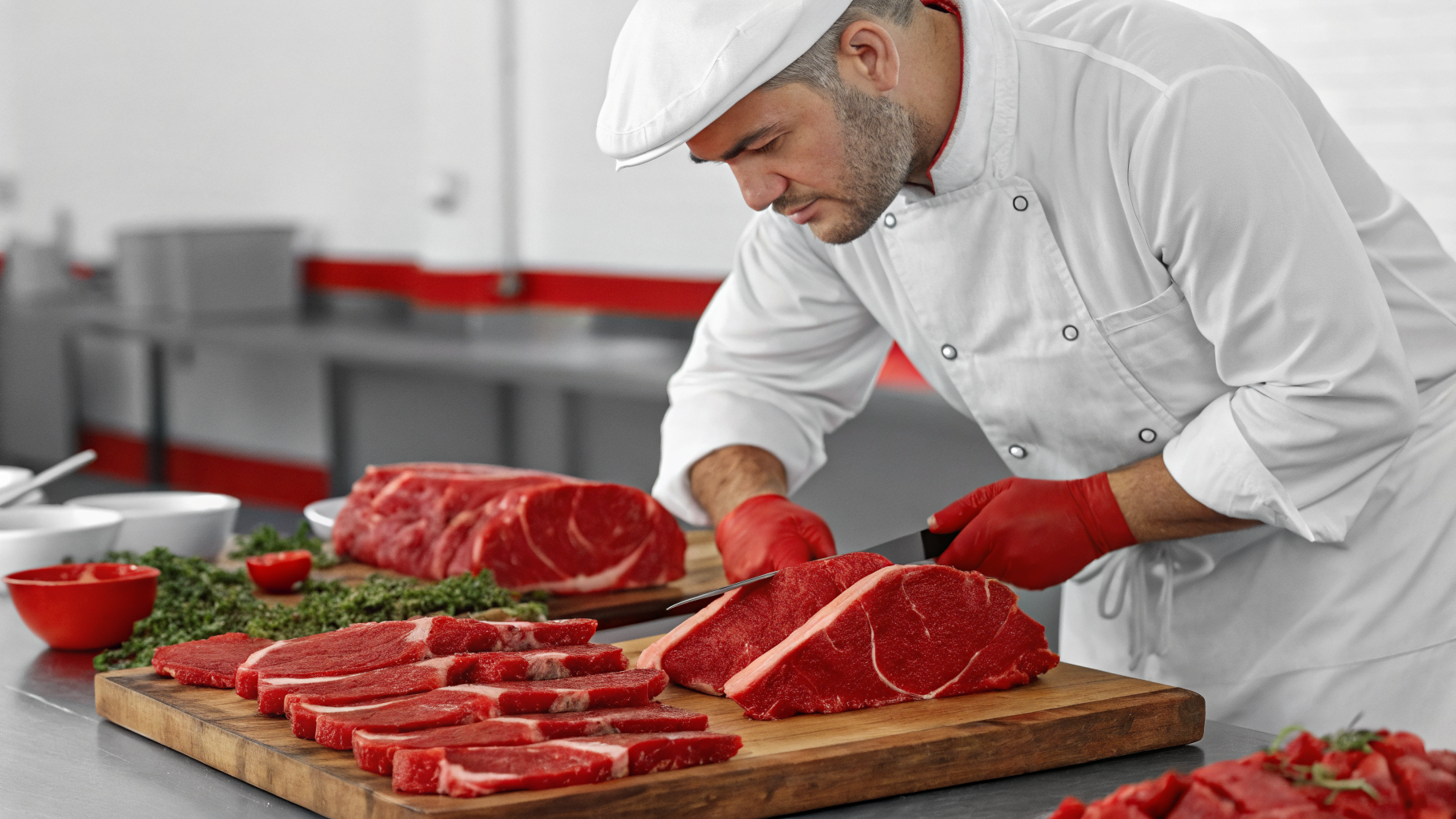
How to Become a Butcher: The Main Routes In
There is no single path into butchery, which is part of its appeal. Here are the most common routes:
- Apprenticeship: Many butchers start here. An apprenticeship combines paid work with formal training, usually leading to a recognised qualification such as a Level 2 or Level 3 Butchery award.
- Direct employment: Some shops hire entry-level staff with no experience and train them on the job. If you find a butcher near me willing to take you on, this is an excellent way to learn.
- Vocational courses: Short and full-time butchery courses are offered by colleges and specialist training providers. These suit career changers who want to learn the basics before applying for work.
- Family or independent shop experience: Many of the best butchers learned from a parent or mentor within a family business.
Regardless of the route, you will need a good understanding of food hygiene regulations — a Level 2 Food Hygiene certificate is essentially a minimum requirement in the industry.
How Long Does It Take to Train to Be a Butcher?
Most butchery apprenticeships last between 12 and 30 months, depending on the level and the employer. A Level 2 Food Industry Skills apprenticeship focused on meat and poultry typically takes around 12 to 18 months [verify]. A Level 3 qualification, which covers supervisory skills and more complex cutting techniques, generally takes up to two to three years.
However, learning never really stops. Even experienced butchers continue to develop new techniques — curing, dry-ageing, specialist cuts — throughout their careers. The early years build your foundation; the rest of your career builds your craft.
How Hard Is It to Become a Butcher?
Butchery is a physically demanding trade. Expect to spend long hours on your feet, work in cold environments, and handle heavy carcasses. Good stamina and physical fitness definitely help.
Beyond the physical side, butchery requires:
- Precision and hand-eye coordination — consistent, safe knife work is everything.
- Product knowledge — understanding different cuts, breeds, and preparation methods.
- Customer service — especially in a retail setting, you are the face of the shop.
- Attention to hygiene and food safety — non-negotiable in any professional kitchen or butchery counter.
That said, most people with the right attitude find the learning curve manageable. If you enjoy working with your hands, talking to customers, and taking pride in a physical craft, butchery tends to suit you well.

How Much Does a Butcher Earn?
Butcher salaries vary by experience, location, and type of employer. As a general guide [verify]:
- Trainee / apprentice butcher: typically around the National Minimum Wage or slightly above during training.
- Qualified butcher (2–5 years' experience): earnings tend to sit in the mid-range for skilled trade roles.
- Senior or head butcher: can earn a significantly higher wage, particularly in independent or specialist shops.
- Shop owner / self-employed butcher: income depends on the business, but successful independent butchers can build a very comfortable livelihood.
The key point is that butchery offers genuine progression. Unlike some trades, your skills are tangible and portable — a great butcher is valued wherever quality meat is sold.
Is Butchery a Dying Trade?
Far from it. While supermarkets dominate the mass market, independent and specialist butchers are experiencing a notable resurgence. Customers increasingly value provenance, quality, and personal advice — things a skilled butcher provides that a supermarket shelf cannot.
The halal butcher sector in particular continues to grow steadily, reflecting the expanding Muslim population in the UK and a global rise in demand for properly certified halal meat. Specialist knowledge in halal preparation is a genuine and marketable skill.
Meanwhile, trends around nose-to-tail eating, locally sourced meat, and artisan food culture are all bringing more customers back to their nearest butcher. The trade is evolving, not disappearing.

Tips for Getting Started in Butchery Today
Ready to take the first step? Here is what we recommend:
- Visit your nearest butcher. Walk in and ask if they offer work experience or know of any vacancies. Personal relationships open many doors in this trade.
- Get your food hygiene certificate. A Level 2 award shows employers you are serious and saves them time on induction training.
- Research apprenticeship schemes. Check official government apprenticeship portals for current butchery vacancies in your area [verify availability].
- Practice knife safety at home. Confidence with a knife starts in the kitchen. Many butchers began by simply learning to cook well.
- Talk to working butchers. Read forums, watch video tutorials, and — best of all — speak to people doing the job every day.
At Capital Butcher, we are passionate about the trade and always happy to share our knowledge. Get in touch if you have questions about starting a career in butchery, or learn more about our team and how we got started.
You can also browse our gallery to see the craft up close, or read what our customers say on our testimonials page. And for more guides on the butchery world, visit our blog.
Frequently asked questions
How long does it take to train to be a butcher?
Most butchery apprenticeships take between 12 and 30 months. A Level 2 qualification typically takes 12 to 18 months, while a Level 3 qualification covering more advanced skills can take up to two to three years. On-the-job learning continues throughout your career.
Is butchery a dying trade?
No. While supermarkets handle mass-market meat sales, independent and specialist butchers — including halal butchers — are growing in demand. Consumers increasingly seek quality, provenance, and personal service, all of which skilled butchers provide. The trade is evolving and has a healthy future.
How much does a butcher earn?
Earnings vary by experience and location. Apprentices typically earn around the National Minimum Wage, while qualified and experienced butchers earn a competitive skilled-trade wage [verify current figures]. Self-employed butchers and shop owners can earn more depending on the success of their business.
How hard is it to become a butcher?
Butchery is physically demanding — you will work on your feet in cold conditions and handle heavy carcasses. However, the skills themselves are very learnable with dedication. If you enjoy hands-on work, customer interaction, and taking pride in a craft, most people find the transition into butchery very achievable.
Do I need any qualifications to become a butcher?
No formal academic qualifications are required to start. Most employers value attitude and work ethic over certificates. However, a Level 2 Food Hygiene certificate is strongly recommended and is considered an industry standard. Apprenticeships and vocational qualifications will be completed during your training.